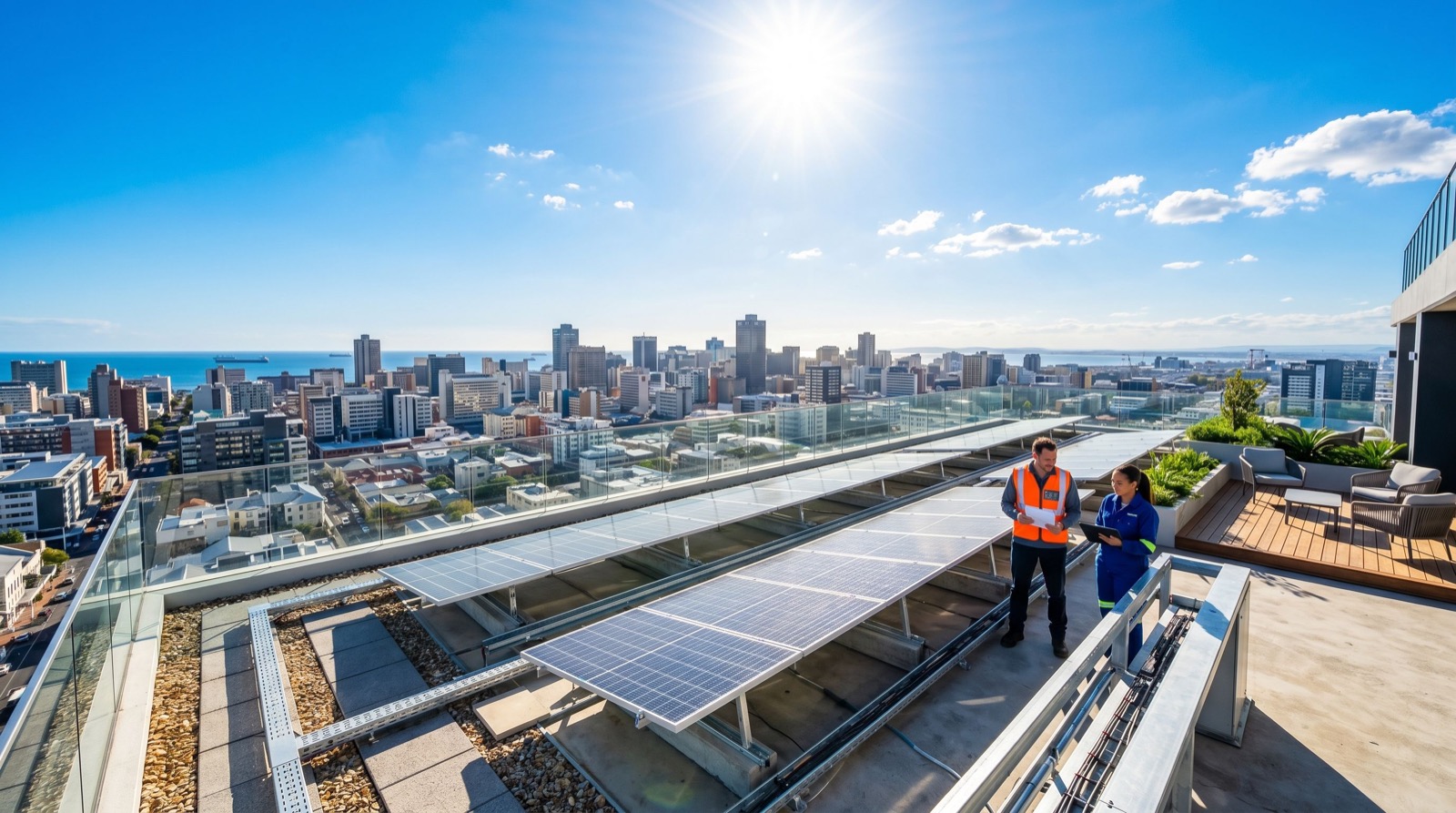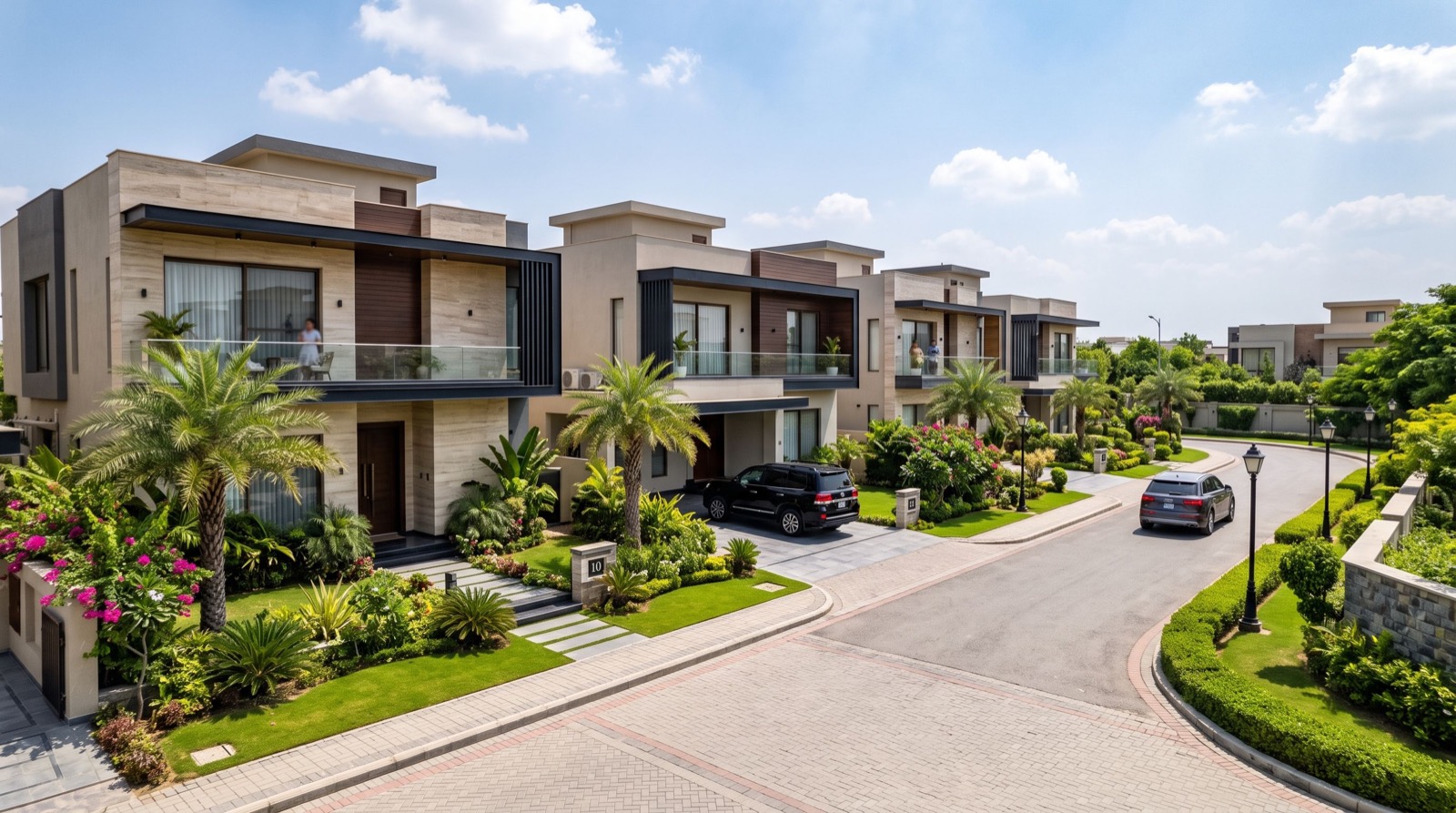
Solar Installation in Karachi: 2026 Cost & Savings Guide
Karachi’s power bills keep climbing, and long summer load-shedding hours make reliable backup feel less like a luxury and more like a necessity. That is why so many homeowners and small business owners across the city are now looking seriously at solar installation in Karachi as a practical way to cut monthly electricity costs and reduce dependence on the grid. This guide walks through real 2026 pricing, net metering rules, and the questions you should ask before you sign a contract with any installer.
Unlike cities farther north, Karachi gets strong, consistent sun almost year-round, which means a correctly sized system can offset a large share of a typical household’s usage. The challenge is less about sunlight and more about choosing the right system size, the right equipment, and a company that will still answer the phone two years after installation.
Why Solar Installation in Karachi Makes Sense in 2026
K-Electric’s tariffs have risen steadily over the past few years, and fuel-cost adjustments mean bills can jump even when usage stays flat. A well-sized solar system locks in a big part of your energy cost at today’s prices instead of tomorrow’s.
Karachi also benefits from roughly 2,700 to 3,000 hours of usable sunshine a year, according to irradiance data compiled by the International Renewable Energy Agency. That is more consistent output than most European solar markets see, which is part of why payback periods in Pakistan tend to be shorter than in colder climates.
- Lower exposure to repeated tariff hikes and fuel surcharges
- Protection against unplanned load-shedding when paired with batteries
- A system that can add resale value to a home or commercial property
- Lower noise and fuel costs compared with running a generator
How Much Does Solar Installation in Karachi Really Cost?
Pricing depends on system size, panel brand, inverter type, and whether you add batteries. As a rough guide for 2026, a basic grid-tie system without batteries costs noticeably less than a hybrid system built for backup power during outages.
| System Size | Typical Household | Approx. Monthly Savings |
|---|---|---|
| 3 kW | Small home, 1-2 AC units | Rs 15,000 – 25,000 |
| 5 kW | Mid-size home, 3-4 AC units | Rs 25,000 – 40,000 |
| 10 kW | Large home or small business | Rs 50,000 – 80,000 |
These figures assume typical Karachi sun exposure and a clean, unshaded roof. Actual savings vary with roof angle, shading from neighbouring buildings, and how much of your usage happens during daylight hours.
Net Metering in Karachi: How K-Electric Credits Your Extra Units
Net metering lets you send unused solar power back into the grid and receive credit against your bill. The process is regulated nationally, and the rules are published by the Alternative Energy Development Board, the federal body responsible for renewable energy policy in Pakistan.
In practice, the steps look like this for most K-Electric customers:
- Get a site assessment and a system design sized to your average monthly units
- Submit the net metering application along with your installer’s technical documents
- Have the bi-directional meter installed once K-Electric approves the request
- Start exporting surplus daytime power and see it credited on your monthly bill
Approval timelines have improved in recent years, but paperwork errors are still the most common reason applications get delayed. A good installer handles this step for you rather than leaving you to chase the utility yourself.
Choosing the Right System and a Reliable Installer
Grid-Tie vs Hybrid vs Off-Grid
A grid-tie system is the cheapest option and works well if load-shedding in your area is minimal. A hybrid system adds batteries so your home stays powered during an outage, which matters more in parts of Karachi where outages still happen in summer. Off-grid systems are rarely needed in the city since the grid connection itself is valuable for net metering credit.
What to Look for in an Installer
Ask for the brand and warranty terms on both panels and inverter, not just the headline price. Tier-1 panels typically carry 10-12 year product warranties and 25-year performance warranties, and a reputable installer will show you this paperwork without being asked twice.
Many Karachi households now compare quotes from a few firms before deciding, and working with dependable specialists who document their past installations with photos and client references is a far better signal than the lowest bid in the room. If you want a team that handles design, net metering paperwork, and after-sales service in one place, the solar installation in Karachi service from Best Solar Company is a solid starting point for getting a proper site survey.
It also helps to check how long a company has operated locally, since solar equipment needs occasional servicing, and an installer that disappears after the sale leaves you without support when something needs a fix.
Maintenance, Warranty, and Long-Term Payback
A solar system is not maintenance-free, even though it has no moving parts to wear out the way a generator does. Karachi’s coastal air carries salt and dust that settle on panel glass faster than in drier inland cities, so output can quietly drop a few percentage points if panels go uncleaned for months at a stretch.
Most installers recommend a simple water rinse every four to six weeks during the dry season and more frequent cleaning right after the monsoon, when airborne grit mixes with humidity and forms a thin film on the glass. This single habit is the cheapest performance tip available, yet many households skip it for years without realising how much output they are losing.
On the financing side, most Karachi installers now offer installment plans spread over 12 to 36 months, which brings solar within reach of households that cannot pay the full amount upfront. Typical payback periods for a well-sized residential system currently run between three and five years, after which the electricity produced is effectively free aside from occasional servicing costs.
Always get warranty terms in writing before paying anything. A legitimate contract should separately state the panel product warranty, the panel performance warranty, the inverter warranty, and the labour or installation warranty, since these four periods are rarely identical and a vague one-line warranty clause usually signals a installer cutting corners elsewhere.
Frequently Asked Questions
How long does solar installation in Karachi usually take?
Most residential systems are installed within two to five days once panels and inverters are on site, though net metering approval can add another two to six weeks depending on K-Electric’s current processing queue.
Do solar panels still work during Karachi’s humid, dusty summers?
Yes, though dust reduces output by a measurable margin if panels go unwashed for long stretches. A simple monthly rinse during dusty months keeps performance close to rated output.
Is battery backup necessary for every home?
No. Homes in areas with minimal load-shedding often do fine with a grid-tie-only system and save on upfront cost. Homes that experience regular outages benefit more from adding batteries.
What happens to net metering credit if I produce more than I use?
Excess units typically roll over as credit on future bills under current net metering rules, though the exact carry-forward terms can vary, so it is worth confirming the latest policy with your installer before signing.
Solar installation in Karachi is no longer a niche choice reserved for large villas; it has become a mainstream way for ordinary households to manage rising power costs in 2026. Whether you choose a simple grid-tie setup or a full hybrid system with batteries, getting the sizing, paperwork, and installer selection right from day one makes the difference between a system that pays for itself and one that underperforms. Request a site survey from the Best Solar Company team, compare it against at least one other quote, and move forward with whichever proposal gives you the clearest numbers.