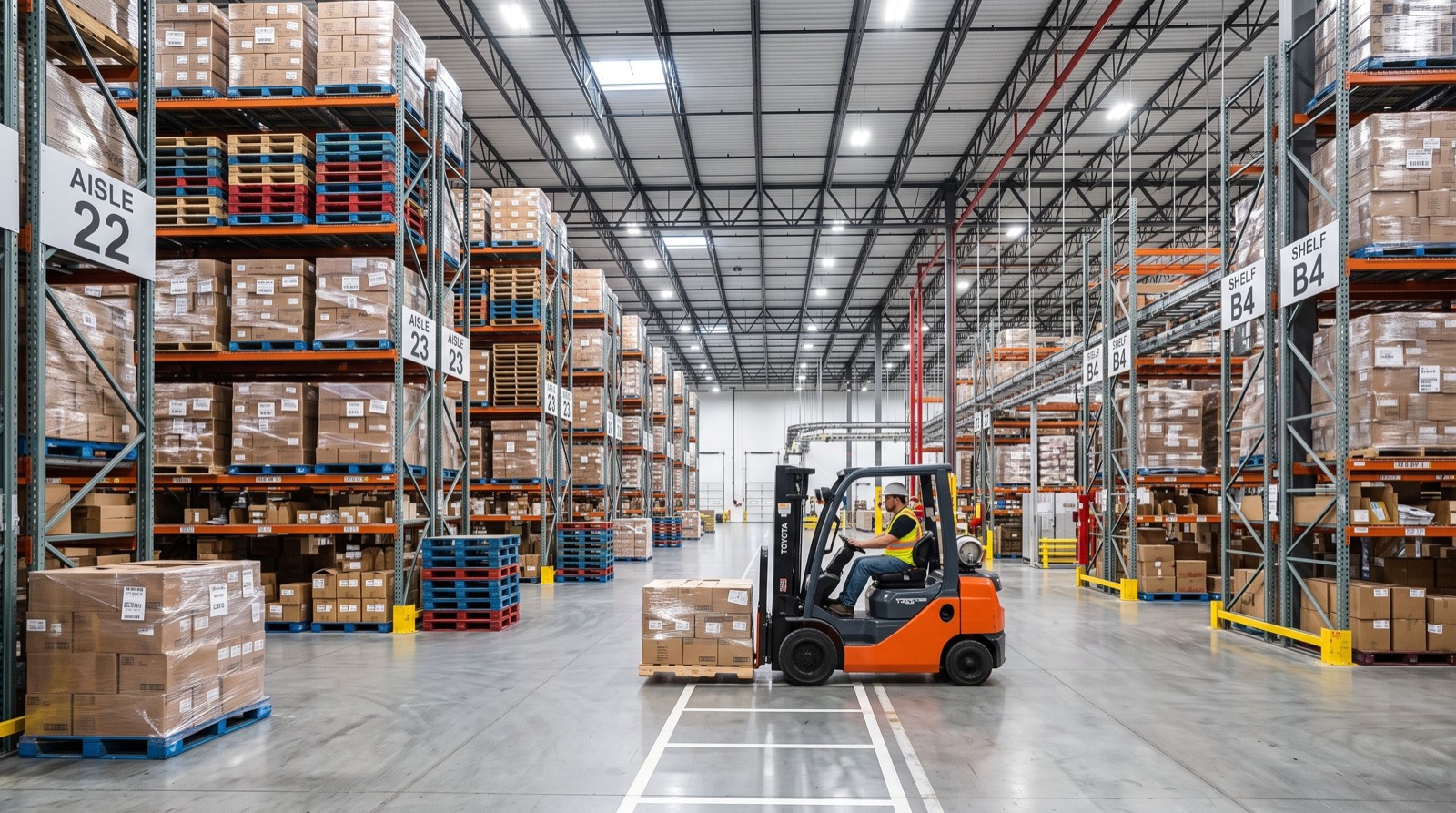
Storage for restaurants is one of the most underrated levers a food business in Saudi Arabia can pull. Behind every consistent menu and healthy food-cost percentage sits a supply chain that keeps ingredients fresh, safe, and available. As delivery-driven dining and multi-branch chains expand across Riyadh, Jeddah, and Dammam in 2026, off-site and dedicated warehousing has become essential for restaurants that want to grow without cramming stock into a busy back-of-house.
This guide explains how restaurant storage works across the temperature spectrum, why the cold chain protects both diners and your brand, and how off-site ambient space can free up kitchen room and cut waste. Whether you run a single café or a fast-growing chain, a smart storage plan translates directly into better food safety, lower spoilage, and a more profitable operation.
Why Storage for Restaurants Deserves Real Attention
Most restaurant failures around inventory trace back to poor storage: ingredients that spoil early, stock that runs out mid-service, or health violations from mishandled temperatures. Purpose-built Storage for Restaurants solves these problems by giving operators the right environment for every ingredient, from frozen proteins to shelf-stable dry goods.
The payoff is threefold. First, correct temperatures extend shelf life and slash waste. Second, disciplined rotation and traceability keep you compliant and audit-ready. Third, moving bulk stock off-site frees valuable kitchen space for actual food preparation. For multi-branch operators, a central storage hub also standardises quality across every location.
Where Does Ambient Storage Fit in a Restaurant Supply Chain?
Restaurants rely heavily on shelf-stable goods: oils, flour, rice, canned tomatoes, spices, packaging, and cleaning supplies. These belong in Ambient Storage, not the walk-in fridge. Keeping dry goods in a controlled room-temperature facility protects them from heat damage while reserving costly chilled and frozen space for perishables.
This separation is the foundation of an efficient kitchen. By buying dry staples in bulk and holding them off-site, operators secure better pricing and never waste refrigerated capacity on goods that do not need it.
The Three Temperature Zones Every Kitchen Needs
A well-run restaurant supply chain touches all three storage tiers. The table below shows how common ingredients map to each.
| Ingredient | Storage Zone | Temperature |
|---|---|---|
| Flour, rice, oil, canned goods | Ambient / dry | 15–25°C |
| Fresh vegetables & herbs | Chilled | 2–8°C |
| Dairy, sauces, prepped mise | Chilled | 0–4°C |
| Fresh meat & poultry | Chilled | 0–2°C |
| Frozen proteins & seafood | Frozen | -18°C or below |
| Ice cream & desserts | Frozen | -18°C or below |
Food Safety: Protecting Diners and Your Brand
In food service, a single spoiled batch can cause illness, trigger fines, and destroy hard-won trust. The cold chain, keeping perishables within safe temperature ranges from delivery to plate, is your first line of defence. Temperature abuse in the “danger zone” between roughly 5°C and 60°C lets bacteria multiply fast.
The Saudi Food and Drug Authority (SFDA) publishes storage, hygiene, and handling requirements for food businesses. You can review them on the Saudi Food and Drug Authority website. Aligning your storage practices with these standards is not just about passing inspections, it protects your customers and your reputation every single day.
How Do Restaurants Reduce Food Waste Through Better Storage?
Waste usually comes from over-ordering and poor rotation. Cut it with disciplined first-in-first-out (FIFO) and first-expired-first-out (FEFO) systems, accurate par levels, and correct temperatures that maximise shelf life. Off-site storage with proper monitoring lets you buy in efficient quantities without gambling on spoilage.
In practice, restaurants that adopt these systems often report noticeably lower spoilage within the first few months. The trick is consistency: rotation only works when every shift follows the same rules. Clear labelling, staff training, and a monthly stock review turn good intentions into measurable savings on your food-cost line.
The Real Cost of Getting Storage Wrong
When storage fails, the damage rarely stays small. A single walk-in fridge running warm overnight can spoil thousands of riyals of perishables. A missed rotation can send expired stock to the pass. And a failed health inspection can force a temporary closure that costs far more than any warehousing fee.
By contrast, professional storage is predictable. Fixed monthly costs, monitored temperatures, and documented compliance remove the guesswork. For a growing brand, that reliability is worth as much as the direct savings, because it protects revenue and reputation at the same time.
Practical Storage Tips for Growing Restaurant Brands
Whether you are opening a second branch or a tenth, these practices keep your supply chain tight:
- Zone your ingredients strictly by temperature and never mix raw and ready-to-eat.
- Label and date everything so rotation is obvious to every staff member.
- Set par levels per ingredient to avoid both stockouts and over-ordering.
- Monitor temperatures with digital logging and automated alerts.
- Use off-site storage for bulk dry goods to keep kitchens clear and safe.
For a multi-branch operation, a step-by-step rollout works best:
- Centralise bulk purchasing to secure volume pricing.
- Store dry staples in a shared ambient facility.
- Distribute chilled and frozen stock to branches on a scheduled cadence.
- Standardise recipes and portioning around consistent ingredient quality.
- Review waste and stock data monthly to fine-tune par levels.
When selecting a storage and logistics partner, choose carefully. Look for reputable service experts with transparent pricing, verifiable compliance, and experience serving food-and-beverage clients in the Kingdom.
Frequently Asked Questions
What storage temperatures do restaurants need?
Restaurants use three main zones: ambient at 15–25°C for dry goods, chilled at 0–8°C for produce, dairy, and fresh meat, and frozen at -18°C or below for proteins, seafood, and ice cream. Matching each ingredient to its zone maximises freshness and safety.
Should restaurants use off-site storage?
Often, yes. Off-site ambient and cold storage frees crowded kitchen space, enables bulk buying at better prices, and improves food safety through professional monitoring. It is especially valuable for multi-branch chains that need consistent, centralised inventory control.
How does storage affect food cost and waste?
Correct temperatures and disciplined FIFO/FEFO rotation extend shelf life and cut spoilage, which directly lowers food cost. Off-site storage also lets restaurants buy efficient quantities without over-stuffing fridges, reducing both waste and emergency last-minute purchases.
Is SFDA compliance required for restaurant storage?
Yes. Any business storing and serving food in Saudi Arabia must meet SFDA hygiene, temperature, and traceability standards. Choose a storage partner that maintains temperature logs, cleaning records, and proper rotation so your operation stays compliant and inspection-ready.
Conclusion
Smart storage for restaurants is a competitive advantage, not just a back-office chore. By zoning ingredients across ambient, chilled, and frozen tiers, protecting the cold chain, and moving bulk dry goods off-site, food businesses in Saudi Arabia cut waste, control cost, and safeguard every diner. As the dining scene grows through 2026, restaurants that treat storage as a core part of their strategy will serve better food, more consistently, and protect the brand they have worked so hard to build.