Solar Installation in Lahore: A Homeowner’s 2026 Roadmap
Rising grid tariffs and long load-shedding hours have pushed thousands of households toward rooftop power, and a well-planned solar installation in Lahore now pays for itself faster than most people expect. The city’s high annual irradiation and the maturing net-metering framework make 2026 an ideal year to switch. This guide walks you through the full journey, from the first site survey to the day your meter starts spinning backward.
Unlike generic buying advice, the sections below focus on what actually happens on a Lahore rooftop, what paperwork IESCO wants, and where homeowners usually lose money. Read it once and you will negotiate with any vendor from a position of knowledge.
Why Solar Installation in Lahore Makes Sense in 2026
Lahore receives roughly 5.3 kWh per square metre of sunlight on an average day, among the strongest resources in Punjab. That means a modest 5 kW system can generate 20 to 25 units daily during clear months. With national tariffs for protected and unprotected consumers climbing again this year, every self-consumed unit is money kept in your pocket.
There is also a reliability angle. A properly sized battery or hybrid system keeps fans, lights, and routers alive through outages, which still hit many neighbourhoods during peak summer. For families running home offices, that uptime alone justifies the spend.
The Freshness Factor
Panel prices have softened through 2025 and into 2026 as global manufacturing capacity expanded. According to the International Energy Agency, solar remains the cheapest source of new electricity in most markets. Pakistani importers have passed a good share of that drop to buyers, so your rupee stretches further than it did two years ago.
What Does a Rooftop Solar Installation in Lahore Actually Involve?
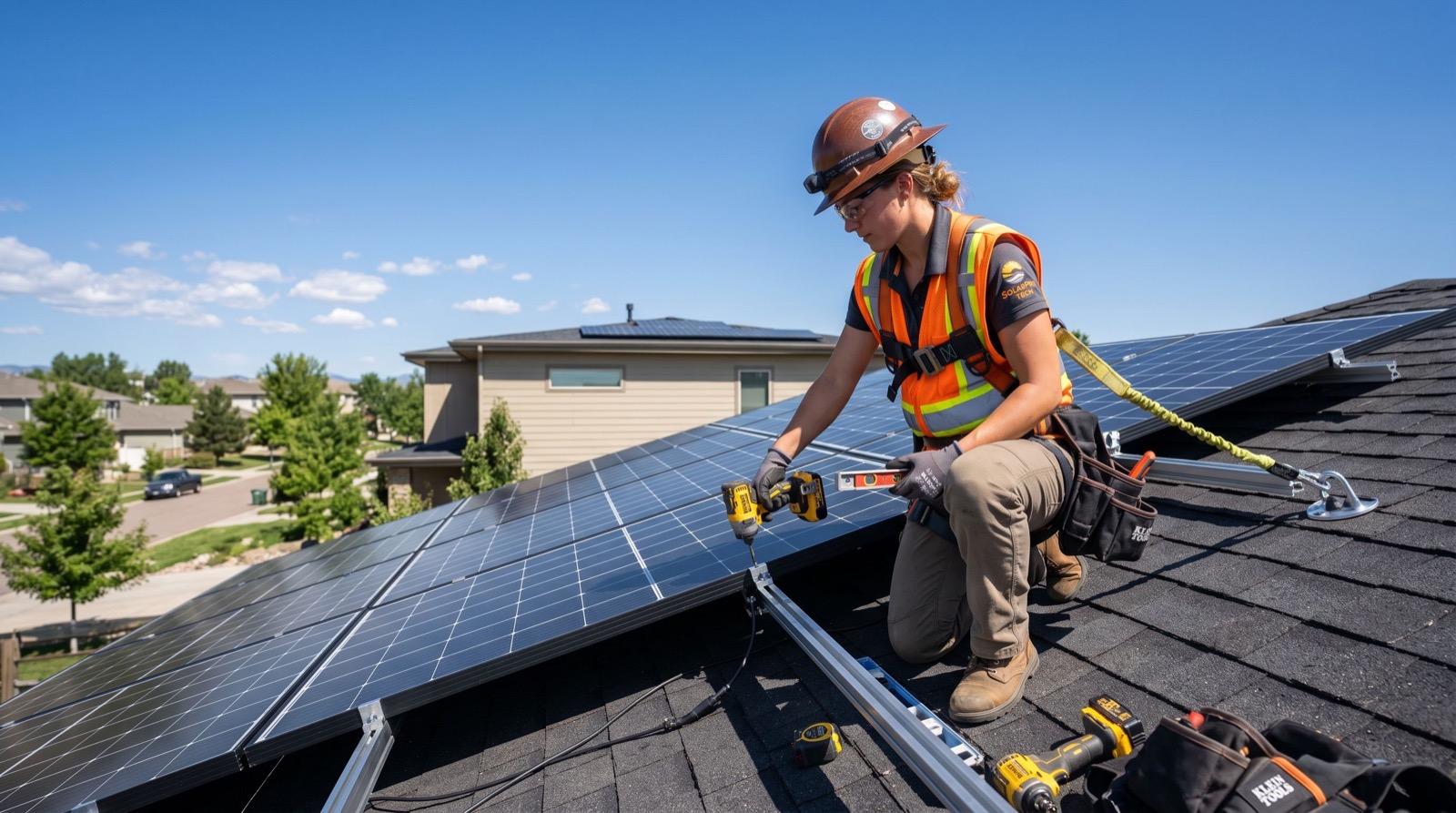
The process is more predictable than most first-timers assume. A reputable installer follows a clear sequence, and you should expect transparency at every stage.
- Site survey: An engineer measures your usable roof area, checks shading from water tanks and neighbouring buildings, and inspects your existing wiring.
- Load assessment: Your last 6 to 12 electricity bills are reviewed to size the array to real consumption, not guesswork.
- Design and quote: You receive a single-line diagram, a component list, and a written warranty summary.
- Structure and mounting: Galvanised or aluminium rails are fixed with proper waterproofing at every penetration.
- Electrical tie-in: The inverter, protection devices, and earthing are connected to code.
- Net-metering application: Documents are filed with IESCO for a bidirectional meter.
- Commissioning: The system is tested, monitoring is configured, and you are handed the app login.
Experienced teams such as the solar installation in Lahore specialists handle each of these steps under one contract, so you are never chasing three different subcontractors.
Choosing Components That Last
Do not fixate only on wattage. The inverter is the brain of the system, and a quality string or hybrid unit with a strong local service network matters more than a few extra panel watts. Ask for Tier-1 modules, and confirm the exact model numbers in writing before you pay.
- Panels with at least a 12-year product and 25-year performance warranty.
- An inverter rated for Lahore’s summer heat, ideally IP65 for dust resistance.
- DC and AC surge protection to guard against grid spikes.
- A monitoring portal so you can spot a failing string early.
System Sizes, Output, and Cost Expectations
The table below gives realistic 2026 figures for grid-tied setups in Lahore. Actual numbers shift with brand and battery choice, so treat these as planning anchors rather than fixed quotes.
| System Size | Avg Daily Units | Typical Roof Area | Best For |
|---|---|---|---|
| 3 kW | 12–15 | ~250 sq ft | Small homes, 1–2 ACs |
| 5 kW | 20–25 | ~400 sq ft | Mid-size family homes |
| 10 kW | 40–50 | ~800 sq ft | Large homes, home offices |
| 15 kW | 60–75 | ~1200 sq ft | Villas, small commercial |
When you compare vendor offers, benchmark the hardware against current solar panels price in Pakistan listings. If you want a live reference for module costs, review the published solar panels price in Pakistan so you can tell a fair quote from an inflated one.
Net Metering With IESCO: The Paperwork That Pays You Back
Net metering lets you export surplus daytime generation to the grid and draw it back at night, effectively using the grid as a free battery. For Lahore homes under IESCO, the application needs your CNIC, a recent paid bill, the system design, and equipment datasheets.
Approval timelines have improved but still vary, so file early. The national framework is set by NEPRA, and your installer should know the latest buy-back and settlement rules. A good team submits the application for you and follows up until the bidirectional meter is installed.
One Practical Tip From the Field
Oversizing your array slightly beyond current consumption is usually smart, because households tend to add appliances over time. However, keep the inverter’s export limit within your sanctioned load, or approval can stall. Balancing those two numbers is exactly where seasoned installers earn their fee.
How Do You Avoid a Bad Installation?
Most solar disappointments trace back to shortcuts, not the technology. Protect yourself by insisting on a written scope, genuine component serial numbers, and a post-installation test report. Walk the roof with the crew lead before and after the job.
Choosing the right vendor is the single biggest decision. Partner with reliable local experts who document their work, offer responsive after-sales support, and can show you completed systems in your own area.
Frequently Asked Questions
How long does a solar installation in Lahore take?
A typical 5 kW residential system is physically installed in one to three days. Net-metering approval through IESCO adds a few weeks, so plan the paperwork in parallel with the hardware order.
Will solar work during load-shedding?
A pure grid-tied system shuts off during an outage for safety. If backup is a priority, choose a hybrid inverter with batteries so essential loads keep running when the grid goes down.
How much maintenance do rooftop panels need?
Very little. A gentle rinse every few weeks during dusty months and an annual connection check are usually enough to keep output near peak.
Is 2026 a good year to install?
Yes. Panel prices are low, net metering is well established, and grid tariffs continue to rise, which shortens payback periods for most Lahore households.
Final Thoughts and Next Step
A thoughtful solar installation in Lahore is no longer a luxury; it is one of the most dependable investments a homeowner can make in 2026. Size the system to your real usage, demand quality components, and keep the net-metering paperwork moving from day one. Do that, and your rooftop will quietly pay dividends for the next 25 years. Book a free site survey with a trusted local installer today and take the first concrete step toward lower bills.